Core interpretation
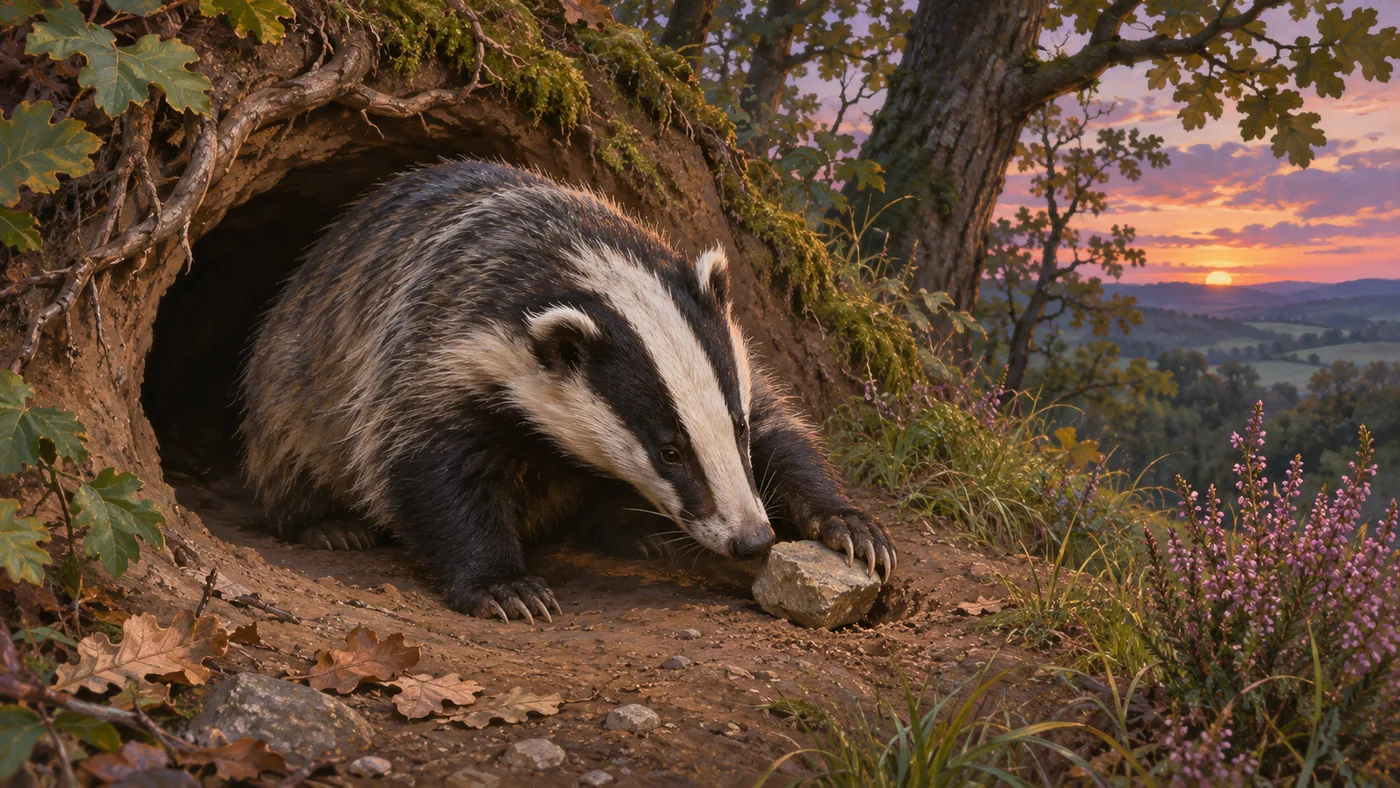
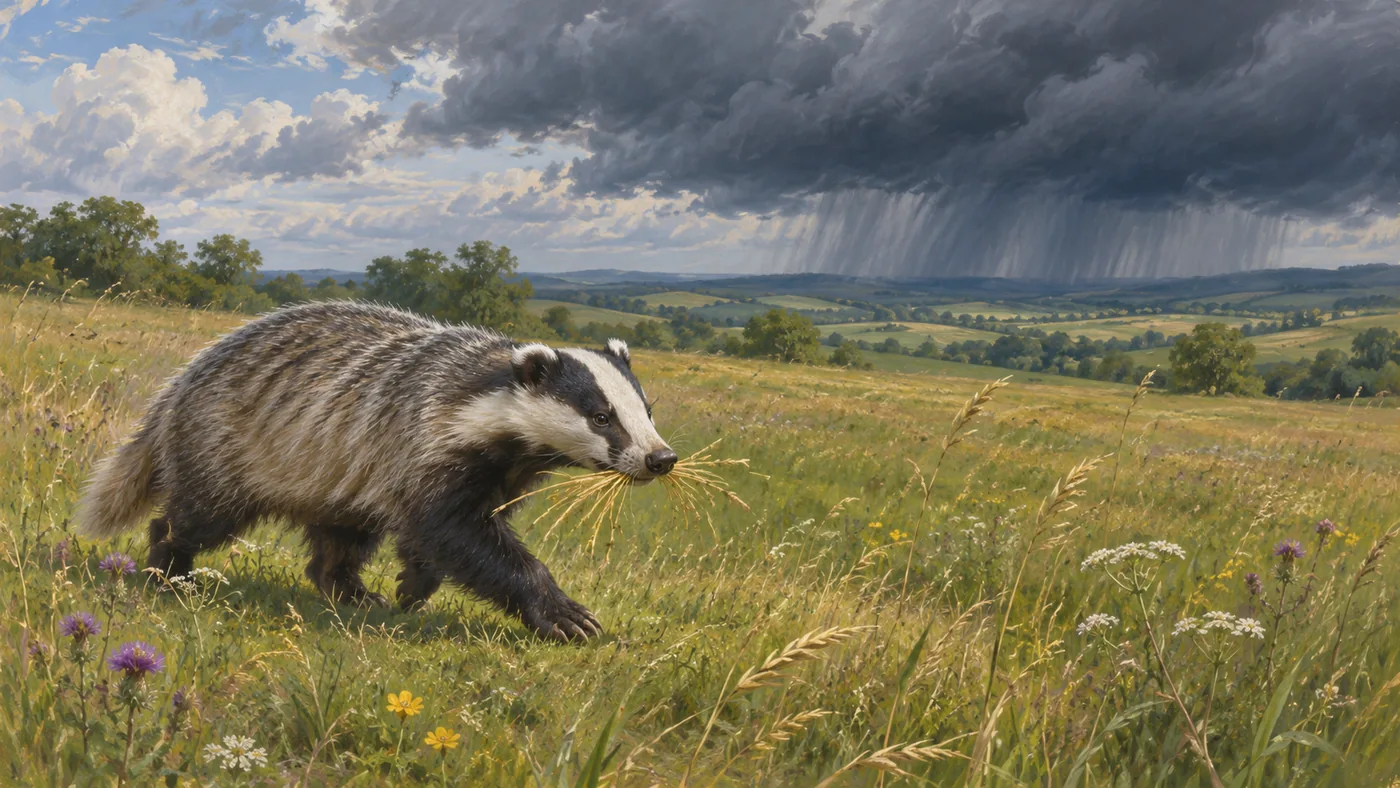
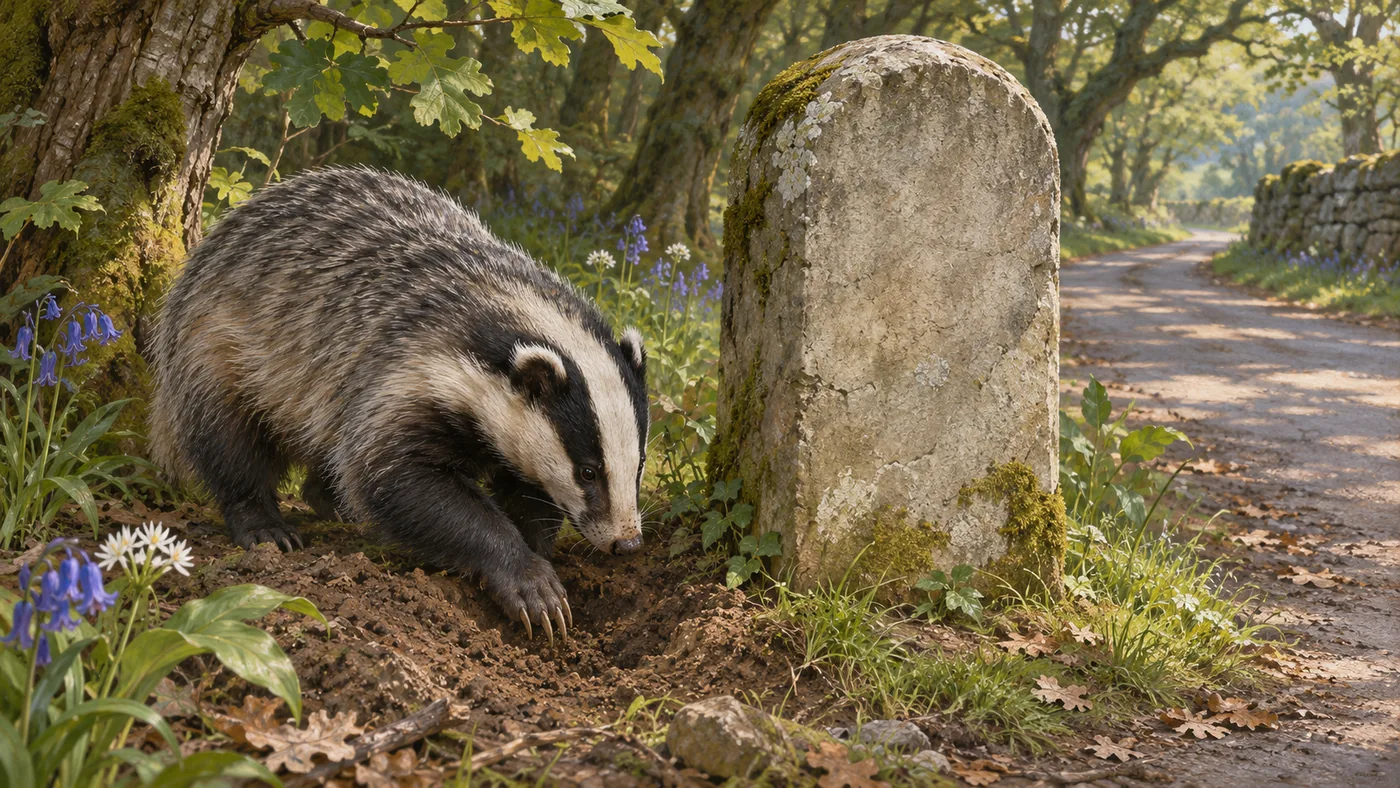
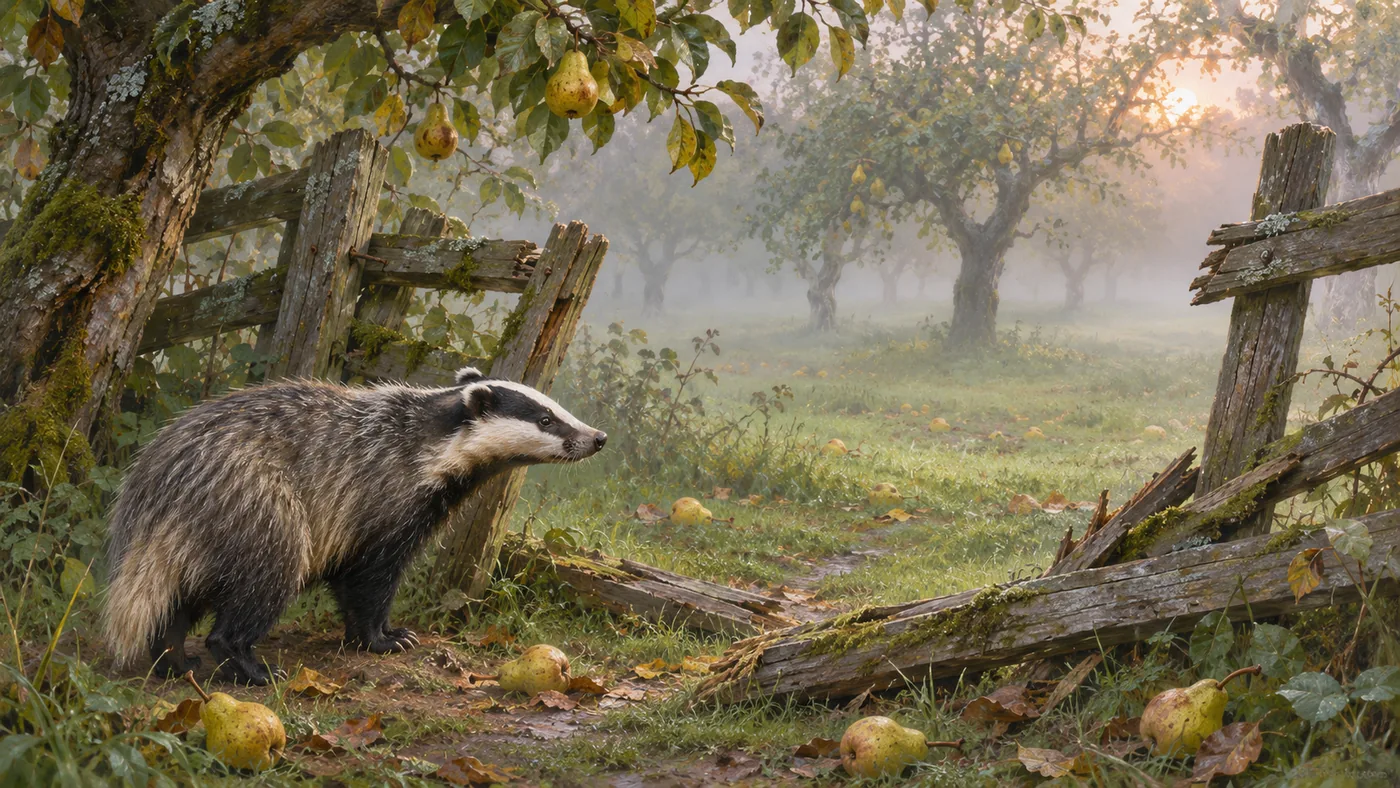
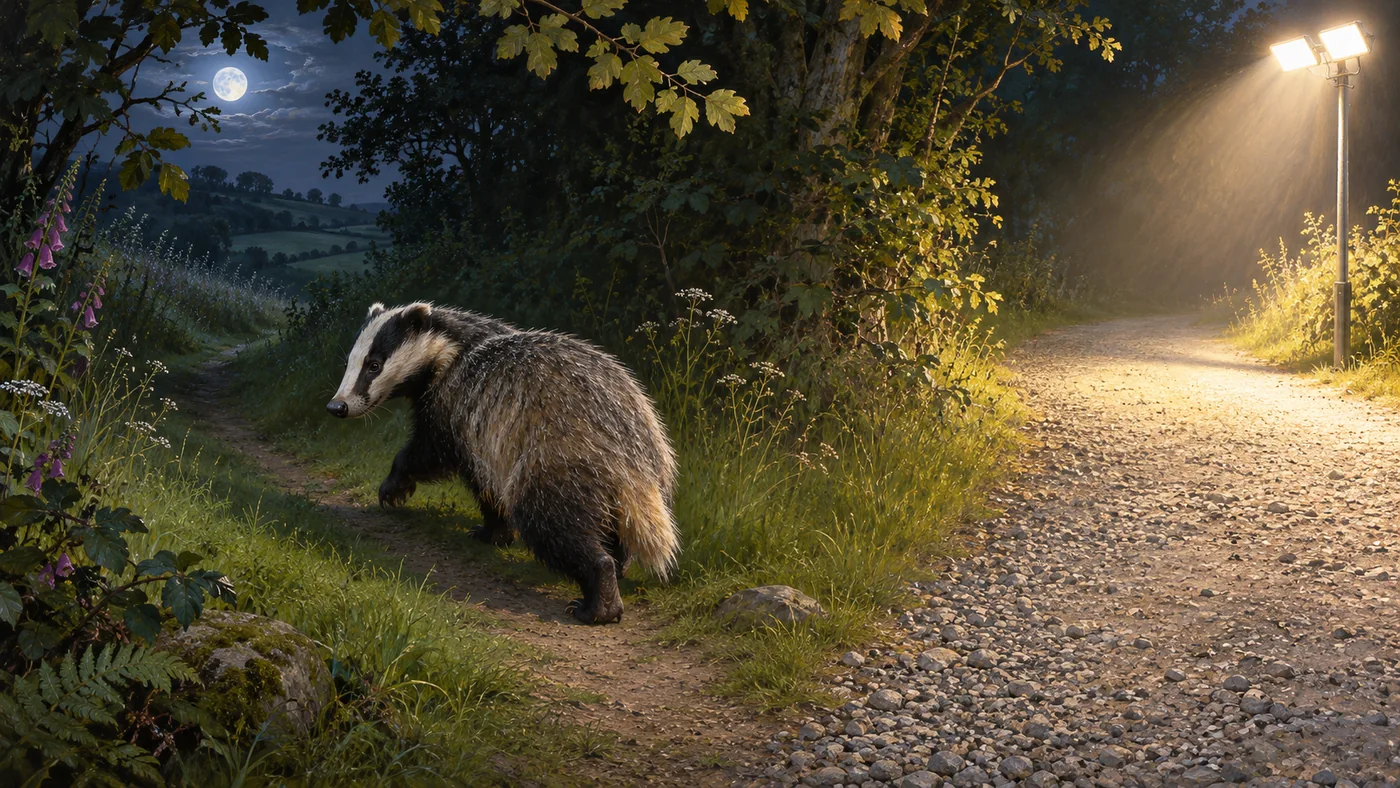
At a fork at night the gravel trail is floodlit, while grass on the other path catches only moonlight. A badger turns toward the grass. You are afraid to follow but notice the glare bothers you too.
A bright path gives you information about its surface; it does not guarantee it is the right route for you. The badger's turn can resemble noticing the cost of an option everyone can see. A visible assignment may make feedback easier to get, while a quieter task gives you room to practice before your mistakes are on display. If the grassy route felt restful, the attraction may be room to learn rather than an urge to resist the obvious choice. If the dark felt threatening, consider whether discomfort with visibility is pushing you toward a risk you have not assessed. Walking a short stretch where you can see the ground and return is different from following a route without landmarks. Notice whether you felt obliged to follow the badger. An animal's ease in a setting is no guarantee of your own. Compare the actual support available on each path with the space it gives you. A reversible trial can help you separate your first reaction from what you learn on the route.
Which choice attracts me because it is visible, and which meets the conditions I need?
The symbols
Floodlights can mean both visibility and exposure. Moonlight offers information close at hand rather than a view of the whole route.
Your feelings
Fear and relief can coexist when certainty and space to work at your own pace matter to you.
A constructive reading
For each option, list where you could get help, pause, and turn back.
Questions worth reflecting on
The scene does not make an unlit path safe. Use actual information about terrain and lighting.